Face Wash for Fungal Acne Routine for Clear, Balanced Skin
Learn how to choose and use the best face wash for fungal acne to reduce yeast buildup, calm irritation, and support clearer skin daily.
The bacteria do not cause fungal acnes but yeast, Malassezia, proliferates on the skin. It appears in the form of small uniform bumps and they are itchy and stubborn and may be situated in the forehead, cheek or chin. The correct face education also contributes to managing the fungal acne problem as it will eliminate the excessive accumulation of oil and yeast without causing any irritation to the skin. When there are the right cleansing habits, the symptoms are handled much better.
Fungal acnes is confused with regular acne by many individuals who apply harsh formulas worsening the situation. Rather, the yeast-friendly face wash is gentle and must not nourish the yeast. This will provide a more relaxed and clean environment and avoid flare-ups. Knowing the skin-work and what not to do will help to create a specific routine to make the skin smoother and easier to see.
Choose a Yeast-Friendly Cleanser
To treat fungal acne, the face wash of choice is something that allows the excess oil to be washed off, but does not nourish Malassezia yeast. Try to find such ingredients as zinc pyrithione, ketoconazole, or piroctone olamine. These antifungal agents lower the accumulation of yeast in a mild way. Sulfur or selenium sulfide cleansers can also come in handy. A yeast cleanser is an oily and debris remover that does not irritate delicate skin.
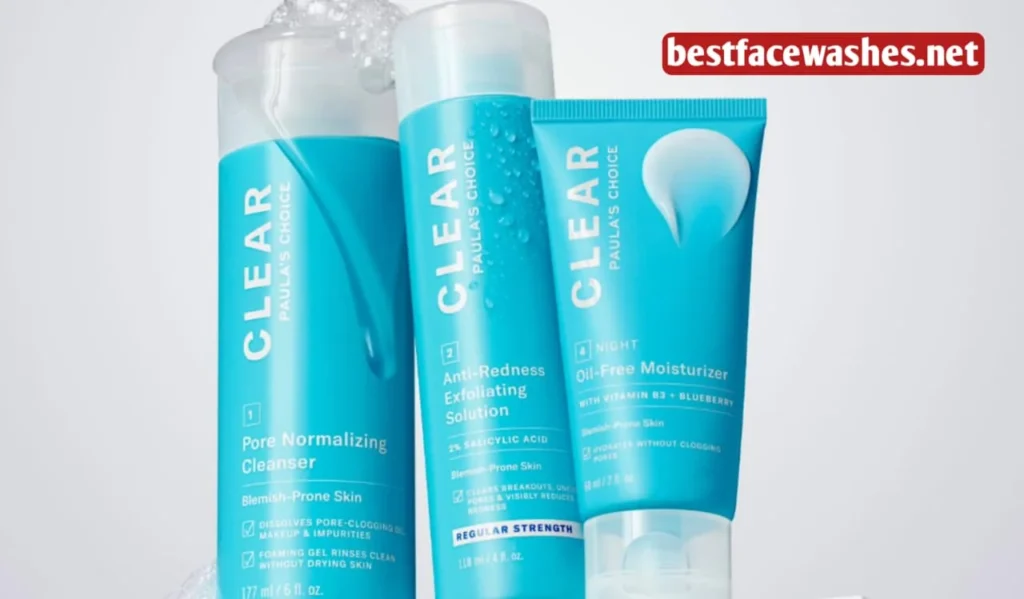
Cleansers that have heavy oils, esters, or fatty acids should be avoided since they may nourish yeast and contribute to the worsening of the fungal acnes. Deep cleansing foam/gel formulas that do not leave any residue are the best. A balance of yeast targeted cleanser facilitates clear skin by avoiding accumulation and soreness. The correct formula to pick also allows making daily cleansing effective against fungal acnes without severe side effects.
Explore The Best Face Washes According to Your Skin
Morning Cleansing Routine
The cleansing of the fungal acne in the mornings should be gentle and narrow. Apply the yeast-friendly face wash to eliminate the night time oil and sweat. This process is a way of priming the skin before the application of moisturizer and sunscreen, which do not leave a trace to nourish yeast. Morning cleansing will lessen itching and eruption in addition to keeping the skin cleaner and more balanced during the day.
Pat the skin dry after cleansing in order to prevent irritation. Use a light non-comedogenic moisturizer, which is not going to trap oils that nourish yeast. Antifungal-safe formula of sunscreen assists in avoiding UV damage without worsening fungal acne. Cleaning in the morning provides you with a clean base to any other routine, which will help to reduce any flare-up and keep you comfortable.
Night Cleansing Routine
Fungal acne requires night cleansing since the skin gets oily, polluted and sweaty during the day. Wipe your face using your antifungal friendly face wash to eliminate accumulation that may exacerbate the growth of yeast. Night cleansing also assists in resetting the skin and prepares the skin to night treatment that is in support of fungal acnes. It also helps to avoid clogged follicles and itchiness.
In case of wearing makeup, I would begin with a light, oil-free remover to avoid the congestion of the pore. Wipe with your yeast-friendly cleanser just in order to make sure that it is clean. Nighttime washing assists in repairing the barrier and minimizes irritation that occurs due to daily stressors. Fungal acne can be reduced with practices, and the skin looks clear in the long run. It is essential to have a night clean as a way of balancing and improving.
Use Fungal Acne-Safe Ingredients
Some of the ingredients aid in the treatment of fungal acne because of controlling yeast and minimize the irritation. Antifungal agents such as zinc pyrithione and ketoconazole decrease the growth of yeast. Salicylic acid aids decongestion of the pores without nourishing yeast. Niacinamide helps in achieving balance and alleviating inflammation. These are effective in cleansers or follow up products that do not deteriorate fungal acnes and do not damage the health of the barriers.
Explore The Best Ingredient-Based Face Washes
Do not use heavy oils such as coconut oil, ester and polysorbates since they nourish yeast and cause flare-ups. Sensitive fungal acne skin is also irritated by alcohol-based cleansers. Instead, apply soft and relaxing recipes that do not nourish yeast. The selection of matching ingredients will improve effectiveness of the face wash and will contribute to long-term clarity with no adverse effects that are harsh and drying.
Avoid Common Fungal Acne Mistakes
The most frequent error made is harsh acne cleansers used to treat bacterial acne. These are usually irritating and exacerbate the acne due to their damaging effect on the barrier. The other error is thick moisturizers that have oils that feed yeast. Fungal acne regimens need to be devoted to light cleansing and yeast-free products instead of harsh exfoliation or the oily formula.
Warm water further aggravates the fungal acne by redness and irritation of the skin. Warm water prevents flare-ups as well as protecting the barrier. Also do not over-cleanse because this will remove the moisture and thus increase the production of oil. These errors cause imbalance and exacerbation of symptoms. Knowing them enables the creation of a fungal acne-safe regimen that contributes to a cleaner and calmer skin on a daily basis.
Support Barrier Health
The support of the barrier is necessary in the fungal acne since a fragile barrier raises sensitivity and irritability. It is recommended that moisturizers hydrating, yeast-safe, and strengthening the protective layer of the skin be used after cleansing. Ceramides, hyaluronic acid and glycerin are some of the ingredients that reinforce hydration without nourishing yeast. A heavy barrier can be used to decrease itching, flakiness, and exacerbations with time.

Yeast-targeted treatments are also more effective in the case of hydrated skin. In the case of a strong barrier, antifungal products and serums are better to work without causing irritation. Hypersensitivity and redness are minimized by ensuring the moisture level. Balance barrier helps in keeping skin cleaner and healthier as it prevents the overgrowth of yeast and keeps the skin smooth. This action boosts the outcomes of your showering regimen every day.
FAQs
Conclusion
Fungal acne that is susceptible to the impact of yeast requires a face wash routine that aims at cleansing in a yeast-friendly manner, regulates oil, and soothes irritation. Using a face wash that contains antifungal safe ingredients such as zinc pyrithione or ketoconazole would mitigate yeast proliferation. The morning and night routines also avoid the build up and make the skin ready to receive the supportive treatment. These measures will make the environment cleaner and calmer, to get smoother skin.
Harsh cleansers, heavy oils and over- cleansing are to be avoided since they aggravate the flare-ups. Enhancement of hydration and strength of barriers enhances comfort and decreases itch. As a result of constant treatment, fungal acne is less severe and the skin becomes clearer and more balanced with time. The daily routine that helps to maintain healthier fungal acne-prone skin is a gentle and focused cleansing routine.