Face Wash Shelf Life Explained for Safe Use | Complete Skincare Guide
Learn face wash shelf life, how long cleansers last, expiry signs, and how using expired face wash affects your skin.
The shelf life of face wash is a critical issue of skincare that does not attract the attention of many people. An expired or spoiled face wash may be damaging to the skin barrier and result in irritation, breakouts or infections. Although cleansers might be okay, their constituents might be savored over time. Knowing how long face wash lasts will make you use it with safety and prevent unnecessary skin issues due to the use of expired formulas.
Being aware of the length of face wash is also beneficial in ensuring that your skincare routine will have the best outcome. The shelf life influences the performance of the product, its texture and safety. This guide provides information on expiration, storage, and the importance of the shelf life. Knowing these fundamentals can ensure that you save your skin in the long term, as well as making wiser buying and usage choices.
What Shelf Life Means in Face Wash
Shelf life is the duration of time that a face wash can be stable, effective and safe to use. In this period, the ingredients go on as desired and do not harm. The product can lose its effectiveness or get contaminated once the shelf life is expired. Shelf life is established by means of testing, and is based on the quality of formulation, preservatives, and packaging.

Face wash shelf life applies in both the condition when the product is opened and when it is unopened. Unopened products have a long shelf life whereas the opened products are exposed to air, water, and bacteria. This difference will make you never overuse products that are out of their safe period. The shelf life is not all about product performance or smell, but it is mainly about safety.
Expiration Date vs Period After Opening
The majority of face washes have an expiry date or a PAO symbol indicating the duration of time the product remains safe upon opening. PAO typically has a jar image depicting figures such as six or twelve months. This is the length of the face wash that will stay stable after being exposed to air and usage.
Expiration is used with unopened products and PAO is used after opening. Disregarding such indicators poses more risk of irritation. A product might appear good, but it might not be safe. These schedules will assist in avoiding the usage of degraded or contaminated cleansers accidentally.
Average Shelf Life of Face Wash Products
The average life of an unopened face wash is between two and three years depending on how it is kept. Most face washes are 6-12 months, unless opened, then they may be used up before expiry. Cleansers that are made without the use of natural or preservatives tend to have shorter shelf life and need special precaution when using.
Explore The Best Face Washes According to Your Skin
The gel and foam cleanser can last longer because of the potent preservative, whereas cream-based face cleaners can easily go bad. Packaging also plays a role. Pump bottles are more secure than open jars. Being able to see the normal shelf life ranges will make you monitor your usage of products and be able to replace it before it becomes hazardous.
Why Using Expired Face Wash Is Risky
Application of face wash that is out of date poses the danger of bacteria growth and degradation of ingredients. Preservatives deteriorate with time as they do not prevent the multiplication of microbes. It may result in skin infections and irritation or unforeseen breakouts particularly in the sensitive or acne affected skin types.
Out of date cleansers can also alter the texture, smell or color. Though it does not look like it, chemical stability may be destroyed even without noticeable alterations. The deterioration of the skin barrier and the lessening of cleansing performance are caused by using such products. The use of expired face wash should be avoided as a basic yet necessary measure towards having healthy and irritation-free skin.
Factors That Reduce Face Wash Shelf Life
The shelf life of a face wash may be shortened due to a number of factors such as exposure to heat or sunlight and moisture. When cleansers are kept in damp bathrooms, they decay faster. Uncapped leaves the caps open to other air and bacteria which cause higher contamination risks and lower product stability.
Several interactions with wet hands are also exposing the product to microbes. The exposure is enhanced by poor packaging, including wide-mouth containers. Natural formulations that do not have powerful preservatives go out of shape. Good handling and storage are a significant factor in the prolongation of shelf life along with face wash being kept in a safe condition to be used on a daily basis.
Signs Your Face Wash Has Expired
The face wash that is expired tends to be visible and sensory. The manifestations are usually characterized by a change in colour, abnormal thickness or distance and bad smell. These alterations signify disintegration of ingredients or bacterial development. Slight alterations are important since the skin of the face is sensitive. Cleansing with these signs on a face wash may result in irritation, breakouts or pain when cleansing.
There are incidences where one may have a face wash that appears to be normal yet stinging, reddening, or itching may occur. This response implies that preservatives are no longer effective. In case your skin starts reacting to a product that you have been able to handle, it may expire. It is important to consider the appearance of products and the skin reaction to prevent the possibility of using spoiled cleansers by mistake.
How to Store Face Wash Properly
Storage is significant in making face washes shelf life last longer. Store cleansers in a cool dry area that is not exposed to direct sunlight and heat. Heat accelerates the deterioration of ingredients and shortens the preservatives. The difference between the tight closing of the cap every time the bottle is used will make sure that the air and bacteria will not enter the bottle without any necessity.
Explore The Best Ingredient-Based Face Washes
It is advisable to avoid keeping face wash in very wet places such as corners of the shower. Exposure to moisture augments the risk of contamination. Using pump bottles is safer as compared to open jars which have a lot of contact. It is also advisable to wash with clean and dry hands every time to help in reducing microbial transfer. The basic storage practices enhance the safety and life of the products to a great extent.
Does Packaging Affect Shelf Life
A face wash has a long life depending on the packaging used. Pump bottles and closed tubes are more effective in preserving products against air, as well as bacteria compared to wide-mouth containers. The less exposure is made, the slower the contamination and the greater the stability of the ingredients. The packaging is airtight to ensure that face wash does not compromise quality during its recommended use.
Preservation-light formulas or natural formulas particularly rely on protection packaging. Open jars expose products to repeated exposures whenever they are used, thus subjecting them to the risk of spoilage. The selection of face washes in hygienic packaging lessens safety considerations. Packaging quality is another aspect that is readily ignored and, to a great extent, affects a shelf life and cleanser efficacy.
Should You Use Face Wash Past Expiry Date
It is not advisable to use face wash that has an expiration date, though it may appear or smell well. Ingredients can lose their effectiveness and preservatives can no longer protect the formula. This builds greater chances of infection or irritation. The skin of the face is more susceptible than that of the body and hence expired products are particularly unsafe.
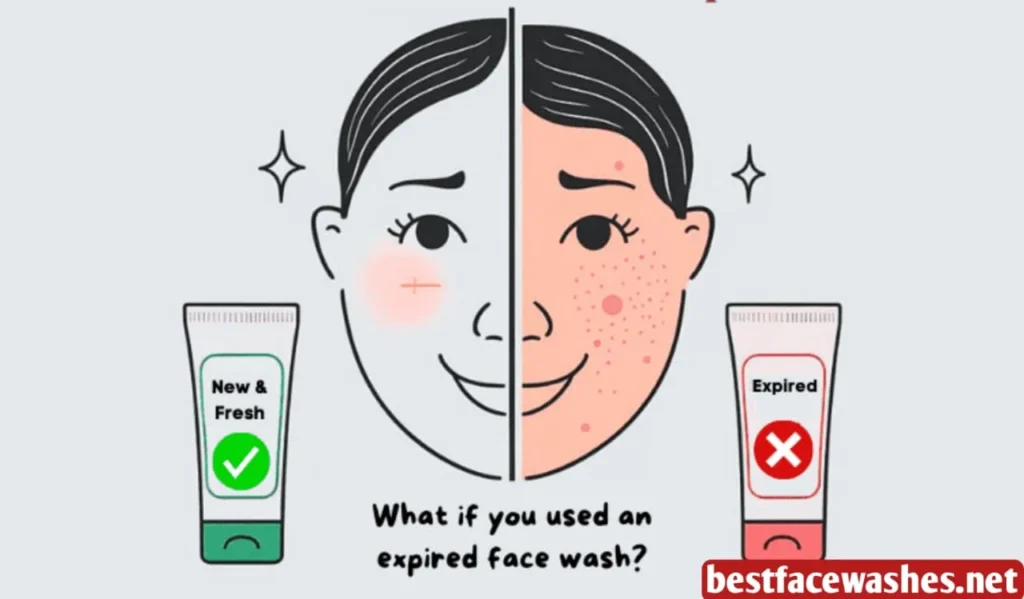
The expired face washes do not clean as much and the minuscule remains. This is capable of congesting pores and altering the skin barrier. The further use augments the possibility of delayed reaction. On time changing the face wash will be safe to your skin and, at the same time, will keep your routine safe, hygienic, and efficient without useless risks.
FAQs
Conclusion
The shelf life of face wash has a direct impact on the skin safety and product performance. They should use cleansers within the suggested time to prevent irritation, breakouts and contamination. Even expired products can appear to be normal and still damage the skin barrier and decrease the power of cleansing.
Proper storage, hygienic usage and monitoring of the expiration signs will save your skin all the needless dangers. It is important to wash the face on a regular schedule and not to be late so that the results can be consistent and healthy. Knowledge of shelf life is going to make you make safer choices of skin care and keep the day-to-day cleansing efficient and skin-approved.