Face Wash Pores Myth | Do Cleansers Really Open Pores?
Face wash pores myth explained. Learn whether face wash opens pores, why pores look bigger after washing, and how cleansing truly affects skin.
One of the most popular myths about skincare that are reproduced on and offline is the notion that face wash opens pores. It is generally believed that warm water, foam or deep cleansing products physically open pores during washing. Such misconception contributes to cruel cleansing routines that ruin the condition of skin rather than enhancing the texture or the level of clarity.
Being aware of the face wash pores myth will make you not waste your time being afraid of cleansing. Pores are necessary in the balance and protection of oil, and face wash has no impact on the size and structure of pores other than how they look. After learning the honesty about the way pores actually operate, you will be able to develop a regimen that helps maintain healthy skin and avoids buying into false skincare propaganda.
What Are Pores and Their Actual Function?
Pores are tiny holes on the skin through which the oil and the sweat reach the surface. They are also associated with sebaceous glands and hair follicles and play the role of keeping the skin hydrated and safeguarding the skin barrier. Notably, pores lack the presence of muscles and therefore, they cannot open or close physically depending on the products or temperature of water.
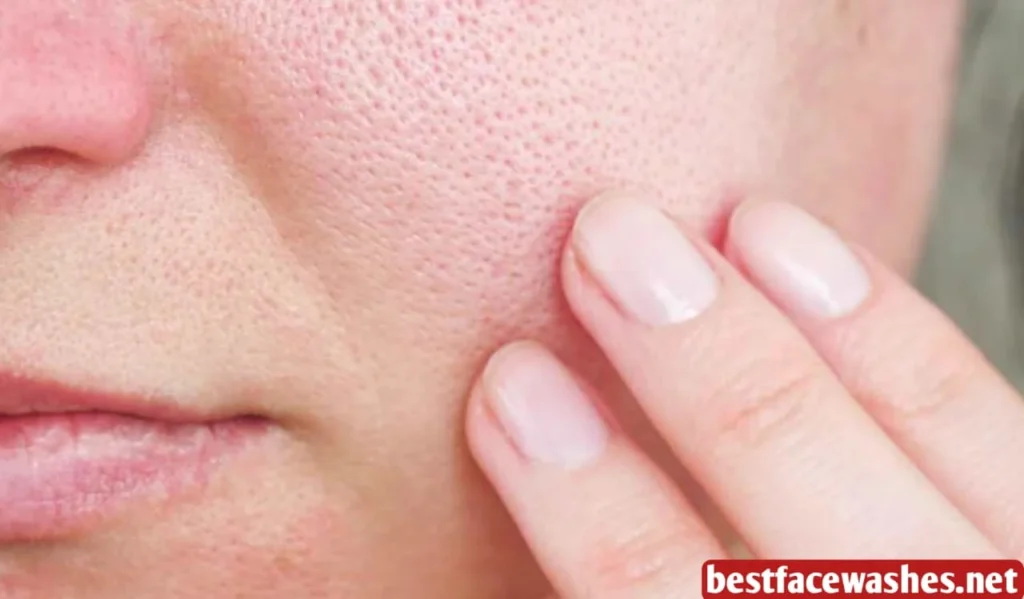
Genetics, skin type, oil production and aging determine the size of the pores. Once the oil and the debris accumulate within the pores, they become bigger and more apparent. Pores are also smaller in size when they are clean. This is what generates the myth of face wash pores, despite the fact that the physical structure of pores does not change.
Why the Face Wash Pores Myth Exists
This myth is present due to the fact that pores are more visible when they have been washed. Once the dirt, oil and makeup have been washed off, the surface of the skin becomes clearer and the pores openings can be seen more easily. This instant visibility is confused with opening of the pores by another person due to the use of a face wash, this happens when a person uses warm water or foaming solvents.
The other cause is the marketing language that advertises the benefits of deep pore opening or pore cleansing. Such statements are misleading and sound scientific. Cleaners do not open up pores, they clean them. Eventually, this continual repetition of the message reinforces the face wash pores myth and promotes vigorous cleansing that damages the skin barrier.
Does Warm Water Open Pores While Washing?
Warm water is also said to open pores since it aids in softening oil that is stuck inside the pore. This can make cleansing better as well as buildup easy to remove. When the pores appear clear afterwards, individuals believe that they are widened by heat, which strengthens the myth about face wash pores that has long existed.
Explore The Best Face Washes According to Your Skin
As a matter of fact, warm water does not loosen pore structure, but rather loosens the debris. Pores resume their usual look as soon as the skin goes cold. Very hot water can, however, be very irritating and dry, which can lead to enlarged pores over time as the skin becomes less elastic and more oil is produced as a result of the damage of barriers.
Can Face Wash Make Pores Look Bigger?
Washing your face does not open pores, however, using an inappropriate cleanser can certainly cause the same effect. Cruel recipes drain natural oils and make the skin to secrete more sebum. This additional oil combines with the dead cells on the skin, at least it stretches pores and appears more visible to the eye. Individuals assume that this visual transformation is opening of the pores and it amplifies the myth that the structure of the pores of the face wash are altered.
Cleansers with high alcohol content or high PH undermine the skin barrier leading to skin drying and loss of its elastic nature. As the skin becomes slack, pores become visible more, particularly around the nose and cheeks. Many consider this effect to directly enlarge pores by cleansing. The truth of the matter is that the inadvertent effect of vile products over time is the one that changes the appearance of the pore, rather than the action of washing, which merely cleans the surface debris.
How to Choose a Pore-Friendly Cleanser
To prevent buying into the face wash pores myth, it is best to use a cleanser that does not violate your skin barrier. Vary to find soft formulas having equal pH and soft surfactants that eliminate impurities without depriving moisture. Adding hydrating cleansers aids in preserving the elasticity which by default keeps the pores appearing tighter and less seen on the skin. Middle cleansing is never worse than vigorous scrubbing.
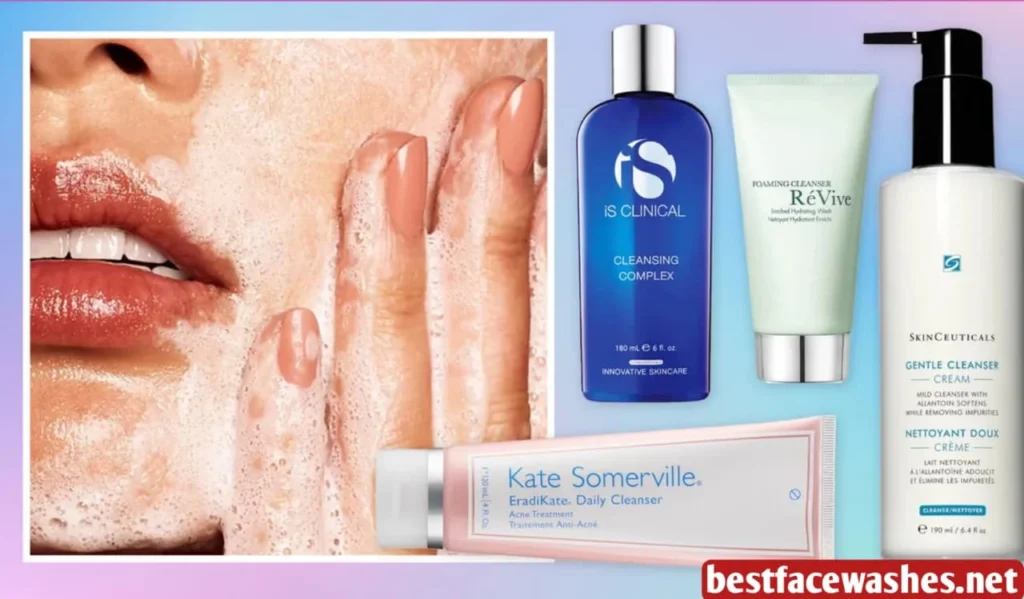
Ceramides, glycerin, and non-drying surfactants are some of the ingredients that are excellent in enhancing a smoother texture. Harsh foaming agents, alcohol and over astringent formulas which undermine the barrier should be avoided. A cleanser will help with the control of oil without stimulating additional production. Cleaning the skin gently will help the pores look smaller with time due to constant upkeep, the skin remains hydrated, firm and not over-crowded with congested or irritated skin.
Explore The Best Ingredient-Based Face Washes
FAQs
Conclusion
The face wash pores myth persists due to the fact that the visibility of pore after cleansing is not consistent and yet pores do not open or close. Cleansers do not affect the structure of the pores, rather they influence surface build up. Your laundry is much more important than the frequency of washing. Aggressive products cause irritation and disequilibrium whereas mild formulas help maintain a smoother and healthy skin appearance.
As soon as you know the way pores actually work, it is easier and more efficient to clean them. The proper routine maintains a clean, even, and flawless skin without succumbing to the myths that promote unnatural and harmful behaviors of caring about the skin.