Can Face Wash Reduce Acne Effectively | Complete Skincare Guide
Learn whether face wash can reduce acne, how cleansing affects breakouts, and what role face wash plays in acne control.
One of the most popular skin issues is acne, and most people urge face wash to be sufficient to treat the condition. Although cleansing is imperative, it is not well understood as to its role in controlling acne. Wrong face wash may aggravate the existing breakouts, whereas the correct one may assist the skin to be clear. Realizing that face wash can slow down the speed of acne formation assists in setting hopes and avoids other dangerous habits of cleansing.
Face wash is not in itself a treatment of acne, but it aids in its treatment. Adequate washing gets rid of the overproduction of oil, dirt, and bacteria that cause clogging of the pore. This paper describes the effects of face wash on acne, what actually it can do, and how it can be effectively used without harming the skin barrier.
How Acne Develops on the Skin
The causes of acne include clogging of the pores with oil, dead skin cells and bacteria. Hormonal fluctuations enhance oil production, and this situation provides a breeding ground of bacteria. This causes inflammation which in turn creates pimples, blackheads or cysts. Washing in itself cannot prevent the influence of hormones but it allows the management of the surface factors in the development of the acne.
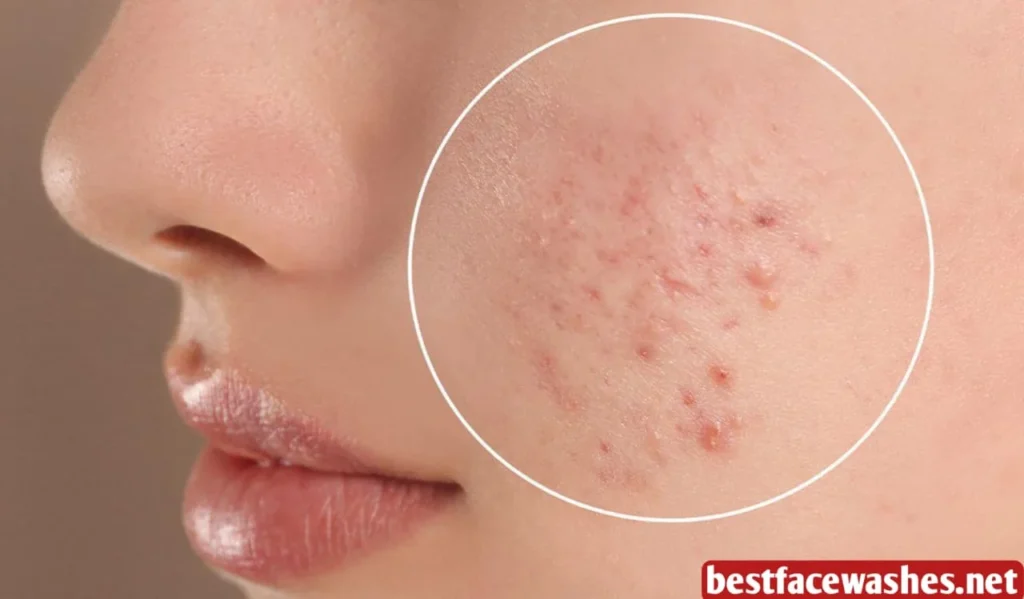
Breakouts deteriorate with time when the pores are clogged because of lack of cleansing. Nonetheless, excessive cleaning removes the natural oils and initiates the production of more oils. Knowing the causes of acne justifies why there is a need to maintain balance. Face wash is used to control accumulation, although acne needs a mixture of rightful cleansing, skin care routine, and even specific intercession.
Role of Face Wash in Acne Reduction
Face wash is beneficial in reducing acnes by clearing excess oil, sweat, and dirt which block the pores. An appropriate cleanser decreases the possibility of bacterial accumulation and keeps the pores cleaner. This minimizes the number of breakouts when used with an equal routine. Washing also enables the acne treatments to be more effective as they remove the residue on the skin surface.
Nevertheless, preventive but not curative action is observed in face wash works. Neither does it reduce the pimples that are already there nor prevent acne of a severe kind by itself. Excessive application of acnes specific cleansers might cause skin irritation and aggravate inflammation. Sensible application will help keep the skin healthy, decrease the number of triggers, and will not lead to a dry or broken skin.
Explore The Best Face Washes According to Your Skin
When Face Wash Helps Acne the Most
Face wash is best used in mild acne that is caused by excess oil and clogged pores. Regular mild washing in such situations decreases the accumulation and helps to avoid the appearance of new pimples. Individuals who apply sunscreen on a daily basis or those who live in polluted areas are also beneficent because of the proper and efficient cleansing process that leaves no traces that cause congestion.
Face wash is less suitable in moderate and severe acne which is hormonally or inflammation based. Cleansing is not sufficient in such cases. It remains a supportive feature as it maintains a clean and peaceful skin. The awareness of face wash most useful times avoids unrealistic expectations and promotes the right treatment decisions.
Can Harsh Face Wash Worsen Acne
Acnes is very often aggravated by harsh washes of the face. Powerful surfactants and high PH formulas are aggressive with regard to robbing the natural oils, leading to dryness and irritation. The skin reacts and secretes more oil, which causes more breakouts. This is usually the case when individuals excessively use cleansers to treat acne by trying to dry up the pimples.
A rendered and slower-healing acne is seen in the irritated skin. The barrier is destroyed by taking abrasive scrubs or washing too frequently. A mild and moderate cleansing is much more useful. This knowledge eliminates major errors that convert a mild case of acne into a chronic skin condition.
Best Face Washing Practices for Acne-Prone Skin
Regular and soft washing of the face is good to do on acne-prone skin. Washing with a gentle, PH balanced face soap twice a day can assist to control the oil and clear the debris that clogs the pores. Rude scrubbing must not be used since this adds irritation and inflammation. Soft circular movements of thirty to sixty seconds enable the cleanser to perform its work without causing any damage to the skin barrier or the aggravation of breakouts.
Lukewarm water is also necessary on acne prone skin. Hot water enhances irritation and production of oil whereas cold water is not effective in the dissolution of oil. Friction is prevented by patting the face dry rather than rubbing. Seasonal cleansing helps prevent acne and provides a condition under which skin can be more effectively healed.
Choosing the Right Face Wash for Acne
The involvement of the right use of face wash is important in controlling acne. The skin of acne patients would react better to mild cleansers that do not leave the skin dry. Light foaming formula or gel formulas can usually be used when they contain no harsh sulfates. When it comes to acne, applying products that are specifically made with this purpose in mind will help to lessen congestion of the pores and still avoid any kind of unnecessary irritation.
Explore The Best Ingredient-Based Face Washes
Avoid face washes, which have sharp exfoliating particles or strong smelling fragrances. These are the ingredients that make inflamed skin worse and slow down the healing process. The use of a proper face wash must leave the skin comfortable and clean. Face wash is effective in controlling acne when it is selected properly and not when it causes the secretion of more oil.
Can Face Wash Alone Reduce Acne
Face wash also is not sufficient to treat acne, particularly in the moderate or severe cases. Hormones, genetics, and inflammation are the factors affecting acne, which cannot be entirely controlled even by cleansing. Face wash lowers surface build up and oil, but does not cure any underlying causes. The use of face wash alone is usually disappointing and aggressive.
Nonetheless, face wash is a necessary aid measure to the management of acne. It provides a clear base on which treatment such as topical drugs or moisturizers can be applied. Cleansing is a positive contribution when used together with the right skincare and lifestyle practices. Knowing its limitations allows escaping the abuse and promotes more efficient use of acne treatment.
How Long It Takes to See Results
The benefits of correct face washing often are time delayed. When the cleansing habits are improved, mild acne can begin to improve in a few weeks. Early indications are a decrease in congestion and the number of new breakouts. Short-term effects cannot be anticipated since the process of healing of acne requires skin turnover and alleviation of inflammation.
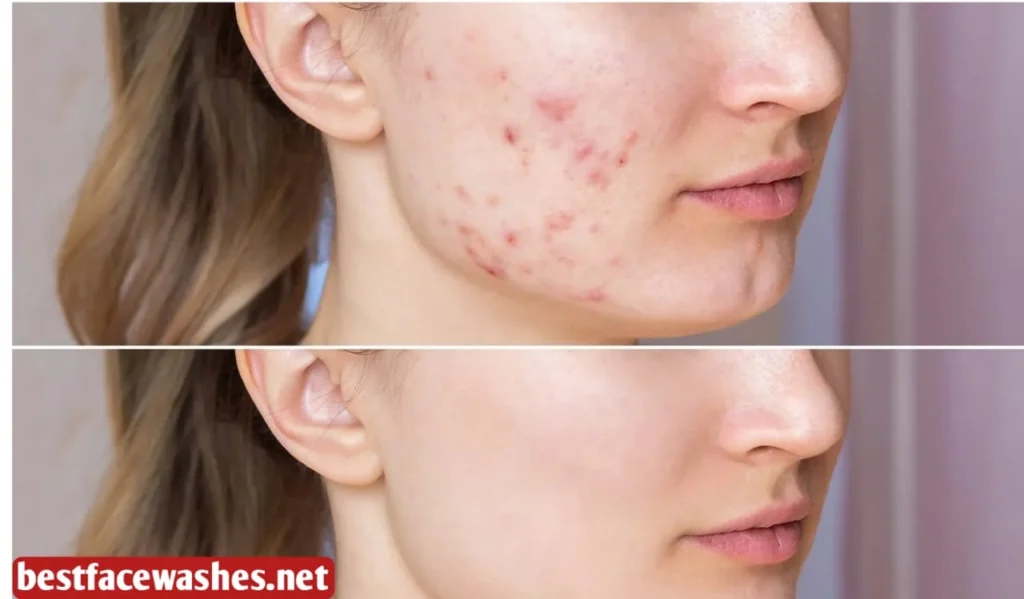
Fidelity is the secret of getting results. Change of face wash in excessive frequency causes loss of progress and inflammation of the skin. The skin also becomes normalized by continuing to use an appropriate cleanser. Face wash can play a beneficial role in the reduction of acne; it is safe and does not promote flare-ups with patience and soft treatment.
FAQs
Conclusion
Face wash can be used to curb acne through the elimination of oil, dirt and bacteria which promote clogged pores. Nevertheless, it is a helpful measure and does not serve as an ultimate solution. Always apply the correct cleanser using soft hands that will avoid irritation and this will better manage the breakouts.
The knowledge of the boundaries of face wash will help avoid overwashing and frustration. Face wash helps to keep the skin clear when used in combination with proper skincare and treatments. A moderate mode of careful cleaning and waiting has a beneficial long-term acnes management without harming the skin barrier.