
How Face Wash Affects Skin Barrier Health | Complete Guidance
Learn how face wash affects the skin barrier, how improper cleansing causes damage, and how to protect barrier health with correct products.
Skin barrier plays a critical role in shielding the skin against moisture loss, bacteria, and any harm that the environment may cause. Cleaning your face has a direct impact on this barrier which is influenced by face wash each time you clean your face. Its proper use promotes health of the barrier, but improper cleansing may lead to its undermining. Knowledge on the impact of face wash on the skin barrier would prevent skin drying, skin irritation and sensitization of the skin in the long term as a result of poor washing behaviors.
Most of the time people attribute skincare products to cause skin ailments without knowing that most times it is a result of cleansing. The improper use of face wash or overuse of the cleansing distorts the natural balance of the barrier. Knowing how face wash reacts with the skin barrier will enable you to clean your face safely, maintaining hydration, comfort and strength with time.
What Is the Skin Barrier
The outer layer of skin is known as the skin barrier which traps moisture and it prevents the skin against external irritants. It consists of skin cells and natural lipids that combine to ensure that the skin is hydrated and shielded. A normal barrier is smooth and comfortable whereas a compromised barrier is dry, reddish, and sensitive.
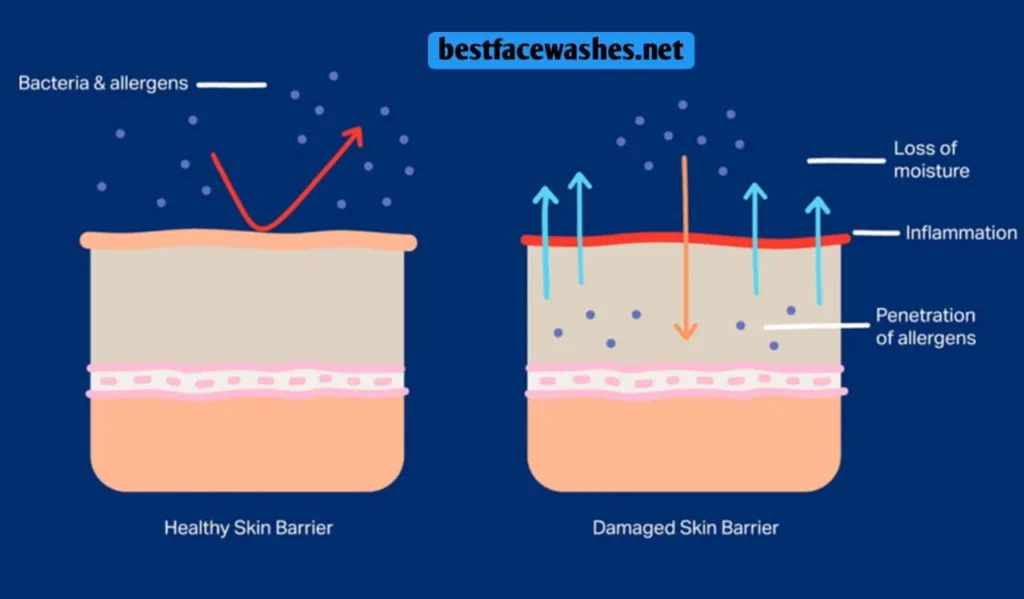
When the skin barrier is intact, it helps to exclude bacteria and pollutants into the skin. It also assists in the control of oil and water. Any breakage of this barrier influences the general skin health. The washing of the face can contribute significantly to the support or destruction of this protective layer depending on the method of its performance.
How Face Wash Can Support the Skin Barrier
A mild face wash helps in maintaining the skin barrier by eliminating dirt, oil and pollutants without depleting the necessary lipids. Mild formulations do not alter the natural pH of the skin and they do not lose moisture. A balanced cleansing process helps the skin to maintain its hydration, calmness and resistance to the daily stresses of the environment.
applying a face wash that suits your skin type assists in supporting the level of barrier. Weak surfactants wash, and irritated ingredients contain minimal irritation. Good cleaning gets rid of good accumulation that may cause the barrier to be weakened with time. Face washing can be a protective measure when properly applied but it can be a harmful measure when not applied adequately.
How Face Wash Can Damage the Skin Barrier
Defective ingredients destroy the skin barrier with extreme aggression by washing away natural oils. High levels of sulfates, alcohol, or overwashing away alter all the necessary lipids that maintain the barrier intact. This causes the skin to become dry, tight and more sensitive and thus more susceptible to products and environmental stimuli.
Explore The Best Face Washes According to Your Skin
The barrier is damaged by excessive scrubbing and hot water. Once the barrier is impaired, the skin will dry out fast, and it will be easily vulnerable to redness and breakouts. All of these signs are misinterpreted by many, and people cleanse more, which leads to a vicious circle. Knowledge of these effects becomes useful in avoiding disruption of barriers in the long run.
Signs Your Skin Barrier Is Damaged by Face Wash
The typical features of a broken skin barrier include a desiccated (chronic dryness), contracted post-washing tightness, erythema, and pangs of pain. The skin can become itchy, scaly, and over sensitive to the previously tolerated products. It might lead to more break outs as the skin secretes additional oils to replace the lost moisture.
The other symptom is that the skin does not feel comfortable even after it has been moisturized. In case the irritation is aggravated following the cleansing, then the face wash is excessively harsh. By becoming aware of these warning signs in good time you can put your routine into place and safeguard barrier health before permanent damage can occur.
How to Protect the Skin Barrier While Washing
The first step in protecting the skin barrier is to select a mild face wash that is appropriate to your type of skin. Wash in the lukewarm water and do not overwash. It is quite sufficient to wash once or twice a day. Light rubbing as opposed to scrubbing avoids irritation. These practices aid in eliminating contaminants and at the same time maintain vital lipids which maintain the barrier healthy and strong over time.
It is also important to apply moisturizer as soon as one has washed. Moisturizers substitute the lost hydration and supplement the barrier. Do not mix strong cleansers and exfoliants on a daily basis as this will enhance the risk of damage. Rudimentary routines are superior. The key benefits of the barrier protection include consistency, mild products, and consideration of the way your skin feels after cleansing.
Role of pH in Barrier Protection
The skin barrier is optimally stable at a slightly acidic pH and face wash contributes to the preservation of acid mantle balance cleansers. Products with high PH strip oils and undermine defenses resulting in drying and causing irritation. The correct pH makes the barrier firm and not susceptible to diseases and contamination.
Explore The Best Ingredient-Based Face Washes
A pH friendly face wash will serve to retain moisture and keep the skin comfortable. Sensitivity and breakouts are high when there is a disruption in pH that occurs frequently. The use of products that are made to act on the skin of the face minimizes the pressure on the barrier. Balanced PH cleaning maintains a long-term stability and avoids progressive destruction by severe cleaning habits.
How Overcleansing Disrupts Barrier Repair
Excessive washing breaks the natural restoration routine of the skin by constantly washing away the protective oils. The barrier requires time to heal particularly at night. Excessive washing does not allow it to be repaired properly and it reduces the amount of water wasted. The skin is reactive, irritated and subject to breakouts. Less frequent cleansing helps in the natural healing process and recovery of the barriers.
To react to oiliness or to breakouts, many people overclean, which only exacerbates the situation. A broken barrier is an indication that oil glands should secrete more oil. This feedback loop also makes it congested. Restricting the cleansing and selecting facile formula helps the break to heal, and the comfort and equilibrium will be restored.
Restoring a Damaged Skin Barrier
It means that to repair a damaged barrier you need to simplify your cleaning process. Moving on to a mild and fragrance-free face wash and decreasing the amount of washing. It should be avoided at the point of irritation. Always moisturize and avoid exposing the skin to the sun. This is a process that allows to restore lipids and calm down the inflammation triggered by severe cleansing practices.
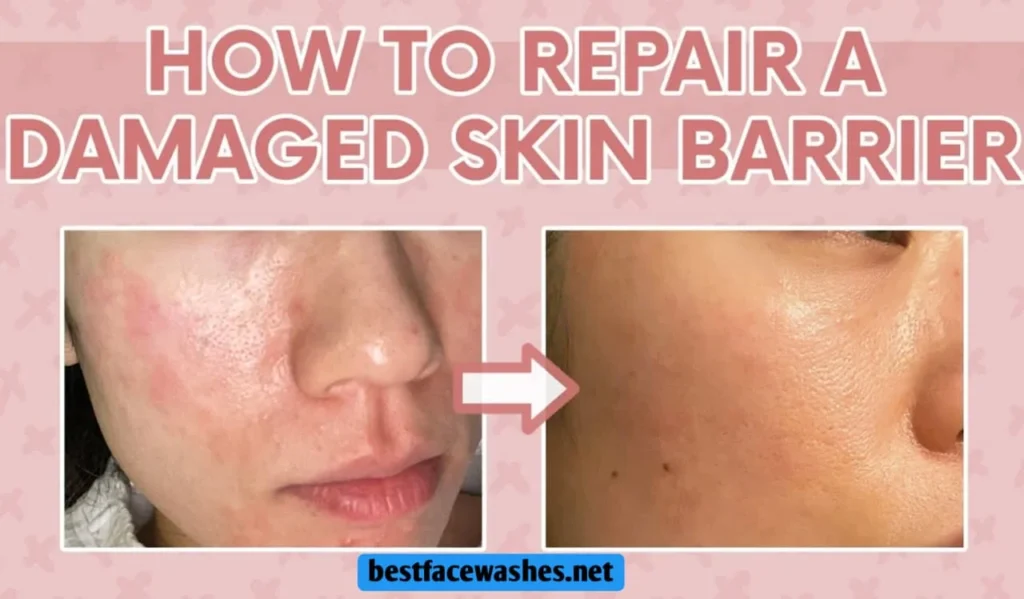
Repairing barriers is time consuming and uniform. The process of improvement is slow with the redness fading away as the comfort returns. Do not launch a series of new products at recovery. Sustaining the barrier by cleansing it softly aids in replenishing skin resilience, skin hydration, and tolerance, which results in healthier and more consistent skin in the long run.
FAQs
Conclusion
Face wash has a very strong effect on skin barrier health. It aids in protection and hydration when selected and applied in a proper way. In its abuse, it undermines defenses and results in irritation. This balance can be understood, which will assist you to cleanse and still avoid damaging the barrier.
Natural products, adequate frequency and careful technique safeguard the health of the skin in the long term. Through adherence to the skin barrier, face washing is not a harmful habit, but a supportive one.