Face Wash Myths and Facts You Should Know | Complete Skincare Guide
Discover common face wash myths and facts, learn what really cleans your skin, and avoid mistakes that damage the skin barrier.
The myths about face wash are so common and most people adhere to them without question on what they do to the health of the skin. These myths can have a harmful effect since they misguide people by thinking that the more foam the cleansing power, and that washing over and over again fixes acne. It is the knowledge of the truth that helps in safeguarding the skin barrier and avoids irritation. Knowing myths and facts about face wash enables one to make smarter decisions when it comes to cleansing and lessens the needless skin problems.
Washing must assist to balance the skin and not to deprive it. Most of the problems of skincare are initiated by wrong ways of washing the face but not by bad cosmetics. The article distinguishes between facts and popular misconceptions in order to clean safely and efficiently. Being able to know the truth of the myths about face wash can help you form a routine to ensure that skin is healthy, comfortable, and resilient in the long term.
Myth: More Foam Means Better Cleaning
A lot of individuals think that a good face wash with high levels of foam cleanses the skin much better. As a matter of fact, foam is primarily an aesthetic value to add and it does not dictate the quality of cleansing. A lot of foam is as a result of strong surfactants that deprive of natural oils. This may cause skin to be dry, tight and sensitive particularly when applied on a daily basis or sensitive skin types.
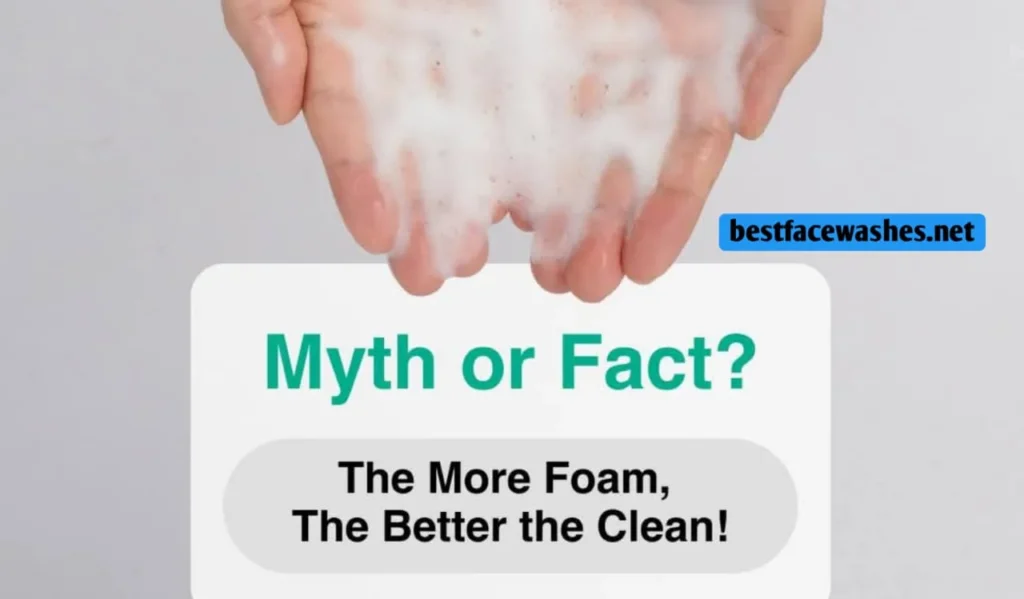
The thing is that mild cleansers with little foam are able to clean as well. Lather is not important in cleansing but the formulation, pH and ingredients. It is much much better to have a face wash that leaves the skin feeling comfortable and balanced as opposed to squeaky clean. Foam does not in itself, however, ensure cleansing activity.
Myth: Washing Your Face More Prevents Acne
A widely held myth is that multiple times washing the face per day will keep off acne. In the case of overwashing, it causes harm to the skin barrier and makes the production of oil more. Stripping of natural oils causes the skin to increase the amount of sebum that is released and causes clogged pores and breakouts. Increased cleaning usually aggravates acne instead of restraining it.
Explore The Best Face Washes According to Your Skin
The thing is that one time a day or two times a day is enough to wash the majority of the types of skin. Light washing can get rid of dirt and oil but it does not overstimulate oil glands. Acne is considered to be caused by various factors with hormones and skincare habits being a few of them. Cleansing of the skin is best done in balance as opposed to over washing or scrubbing.
Myth: Face Wash Can Shrink Pores Permanently
People believe that face wash can make the pores shrink forever. The size of pores is mostly genetically determined and also based on skin structure. Physically, cleansers have no effect on pore size. There are washes that temporarily tighten skin surface or remove oil that makes pores look smaller but this does not last.
The thing is that with right cleansing, pores will be clean and therefore look less prominent. Clean pores lessen the disruption and blackheads, which enhances the skin texture. Nevertheless, no face wash will permanently help in reducing pores. Regular, non-violent washing and skin care only enhance the skin but cannot permanently change the structure of pores.
Myth: Hot Water Cleans Better Than Lukewarm Water
The other myth that is prevalent is the myth that hot water cleans the face better. Hot water in fact removes the natural oils and destroys the skin barrier. It results in dryness, redness and sensitivity. With time, constant use of hot water makes the skin worse than clean.
The thing is that lukewarm water is the best to use on the face. It assists the cleansers in dissolving dirt and oil and avoiding irritation. Warm water helps in maintaining the health of the barrier, and contributes to better post cleansing comfort. The temperature factor has a significant effect on the condition of the skin, and there is no point in using hot water to produce more damage than good.
Myth: All Face Washes Are Basically the Same
Some people hold that all face washes are acting the same and there is no difference of choice. The result of this myth is the application of inappropriate products to the particular skin type. The various face washes differ in cleansing strength, components and pH. Its incorrect usage may lead to dryness, breakouts or sensitivity.
The thing is that the choice of face wash must be corresponding to the needs and skin type. Light formulas are applicable to dry or delicate skin, whereas a regulated cleansing has an advantage to oily skin. The proper selection of a cleanser can help avoid the skin issues and contribute to everyday comfort. Not every face wash can be used interchangeably and the choice of the face wash is more important than you think.
Myth: Face Wash Can Replace Moisturizer
Most individuals are of the opinion that a good face wash can substitute the use of a moisturizer. This myth mostly results in dryness and constriction following cleansing. Washes on the face are meant to clean and not to trap moisture. Even moisturizing cleansers are fast to rinse and can not bring permanent hydration or shielding.
The thing is that moisturizers have absolutely another role. They fix hydration, rehydrate lipids and shield against the skin barrier following cleansing. Incidentally, owing to the neglect of moisturizer, the skin is exposed to the risk of water loss. Face wash and moisturizer do not substitute, but they are complementary to each other and both are crucial to the overall skin health.
Myth: Natural Face Washes Are Always Safer
It is assumed that natural or herbal face washes are always safer on the skin. Natural ingredients are deemed harmless, but they can be irritating or may trigger an allergic reaction. Sensitive skin will most commonly be provoked by essential oils and plant extracts. Natural does not necessarily imply that it is not irritating or appropriate to all.
Explore The Best Ingredient-Based Face Washes
The thing is that safety is based on formulation, concentration and skin compatibility. Most of the synthetic ingredients are safe and soft. On the other hand, there are natural ingredients which are cruel. It is better to read the labels on your skin and know it rather than marketing language. The most appropriate face wash will be the one that is compatible with your skin irrespective of the ingredients being natural or synthetic.
Myth: You Should Feel Tightness After Washing
Others would think that the skin is tight after washing and this is how one knows that he has washed the face properly. This feeling is normally confused with freshness. In actual fact, tightness is an indication that excess oil has been deprived off the skin. This compromises the skin barrier and causes more irritation after some time particularly when used frequently.
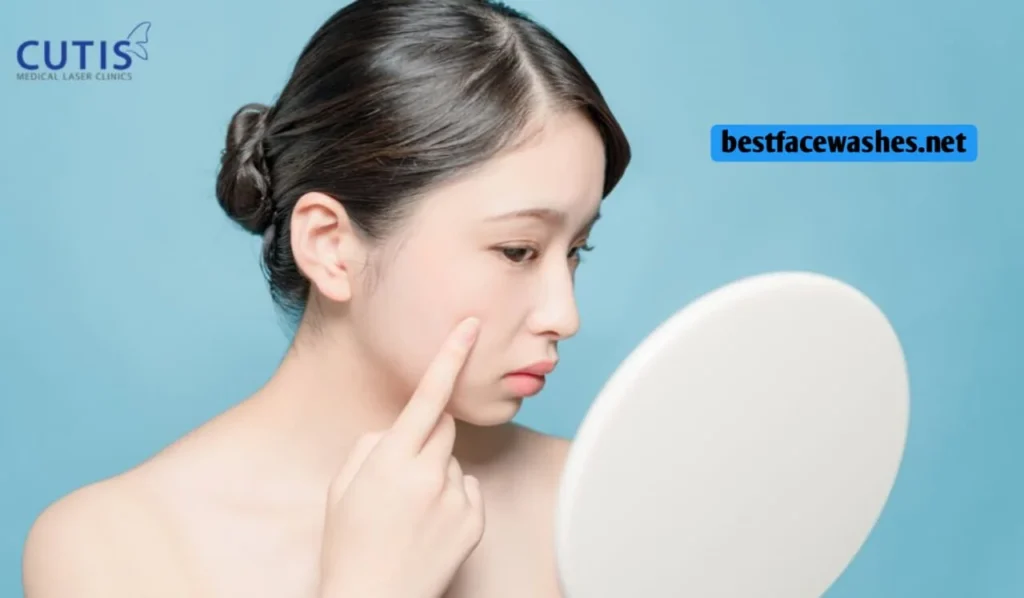
The thing is that after washing there should be no problem with softness, cleanliness, and comfort of healthy skin. Barrier stress and dryness is indicated by tightness. An excellent face wash is not painful. Whenever your skin feels tense or dry, then it is most probably too rough. The actual evidence of good cleansing is comfort, rather than tightness.
Myth: Face Wash Alone Can Fix Skin Problems
Switching face washes is another myth that can take care of acne, dullness or uneven texture. Although cleansing is noteworthy, most skin issues depend on various factors. When using face wash only, we get disappointed and over-cleaned and this may cause more problems instead of fixing them.
The thing is that face wash is helpful in maintaining the health of the skin but does not cure all the ailments. Acne, pigmentations and aging demand an entire regime including moisturizer and specific products. A cleanser produces a sound base. Holding too high expectations of it makes it too much of a strain on the routine and the skin.
FAQs
Conclusion
The myths about face wash usually result in habits, which do not serve the skin, instead they ruin it. The skin barrier may become weakened in the long run because people think that the more the foam, tightness, or regular washing, the better. The facts will make you cleaner and prevent the avoidable irritation by the misinformation.
An effective face washing routine is anchored on tender washing, proper frequency, and attainable expectation. By distinguishing between myths and facts, you will be able to make a smart choice when it comes to products and take good care of your skin. Conducted properly, cleansing aids in the long-term comfort of the skin, balance, and overall skin condition.