Face Wash Harmful Chemicals List and Safer Alternatives
Learn the harmful chemicals in face wash, including sulfates, parabens, alcohols, fragrances, dyes, and preservatives that irritate or damage skin.
Most face washes have harsh chemicals that damage the skin barrier and result in skin being dry, irritated or sensitive in the long run. These ingredients will tend to form a very nice texture, or form a strong foam but will damage the skin in the long run. The knowledge of these dangerous chemicals assists you to make a decision of safer products. Clean formula maintains your skin healthy, balanced and reduces susceptibility to breakouts, redness or discomfort when cleansing your skin on a daily basis.
It is also specifically the sensitive, acne prone or dry skin that knows which chemicals to avoid. Some of the additives cause irritation or pores clogging, causing even more problems with the skin rather than assisting. Knowledge of dangerous substances helps you develop a more efficient and safer routine. The appropriate knowledge will allow you to save your skin and will not make your skin suffer doing nothing but using harsh formulas.
Sulfates
Sulfates such as SLS and SLES are aggressive cleaners which are added to produce foam. They deprive the skin of natural oils that make it dry, tight and irritated. This impairs the skin barrier and makes it sensitive. Individuals that are acne, dry or have eczema respond highly to sulfate cleansers. Sulfates exacerbate the process of breakouts by interrupting the balance of the oils so that the skin produces too much sebum following cleansing.
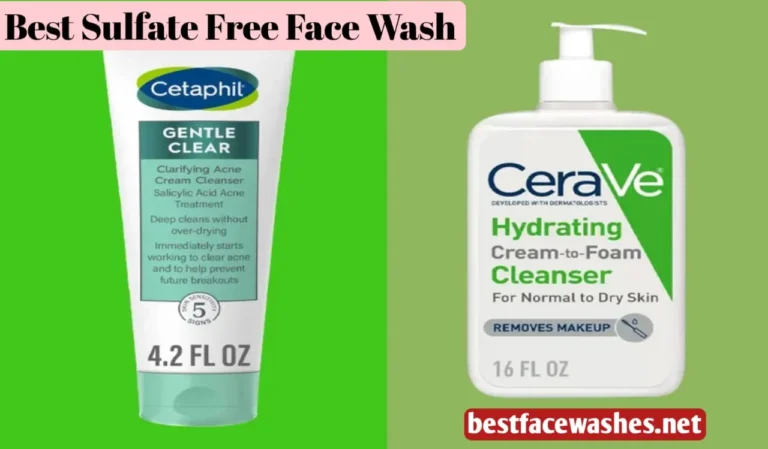
The prevention of sulfate cleansers is beneficial to preserve hydration and cushion the barrier. Sulfate-free face washes hydrate and do not strip away the skin making them tight and irritated. They also assist the skin to remain peaceful during the everyday washing. Individuals that change to softer formulas experience smoother texture and reduced breakouts. One of the simplest methods of enhancing the comfort of the skin and its general condition is the use of sulfate-free products.
Parabens
Products such as parabens are preservatives that are usually used to increase shelf life. Although they inhibit the growth of bacteria, they can cause irritation to sensitive skin and an imbalance to nature. Certain individuals develop breakout or erythema as a result of cleansers made using paralenes. These are preservatives that may make acne more severe and cause long-term sensitivity. They do not have any skin-saving effects and only help the product to maintain its stability without helping the healthy skin.
Cleansers with no parabens decrease chances of unnoticeable irritation. The safe alternatives have now been adopted by many clean-beauty brands which maintain products without damaging the skin. Individuals who change to use paraben-free skincare are likely to experience a reduction in irritation and an improvement in texture. The use of parabens should be avoided to retain skin comfort particularly the sensitive or acne prone ones. It enhances a safer and cleaner everyday washing regimen.
Artificial Fragrances
Artificially scented fragrances are not only appealing to smell but they are frequently loaded with dozens of irritating substances. These undisclosed ingredients may cause redness, itching and breakouts. Fragrance is among the largest triggers of skin sensitivity particularly in acneic or sensitive skin. Even in case of irritation that is not immediately seen, it undermines the barrier and generates long-term inflammation. Perfumed cleansers are dangerous to sensitive or exhausted skin.
Explore The Best Face Washes According to Your Skin
Failures to include fragrance will decrease redness and avoid flare-ups. They aid in the stabilization of skin with a calmed and less unpredictable reaction. Simple formulas are the best bet even when using natural essential oils, which could be irritating to some. An absence of artificial perfume in your life helps to keep the skin unharmed and builds the protective barrier. Face washes with no smell are milder and can be used on a daily basis.
Alcohols
Alcohols, such as ethanol and isopropyl alcohol, remove moisture within the skin within a short period of time. They generate a short time lasting cleanliness and harm the barrier in the long run. These alcohols lead to dehydration, irritation and more oil production in a bid to restore balance to the skin. The result of this is outbursts and crudities. Alcohol based cleansers are very bad when it comes to the dry and sensitive skin and also with the acne prone.
Replacing face washes with alcohol-free ones will make the skin remain moist and consistent. They do not remove moisture content thereby being safe to use over a long period. Fatty alcohols such as cetyl alcohol are not harmful but drying alcohols must be avoided. That is done by eliminating harsh alcohol, decreasing redness and helping the skin to be healthier. It helps to avoid useless dryness following wash up.
Synthetic Dyes
Artificial dyes provide color to the cleansers but do not have any skincare advantages. They may cause irritation to the skin as well as sensitivity or allergic reactions. These dyes can result in redness or bumps and more so to individuals that have acne, eczema or skin sensitivity. Coloring additives are not essential additives but their presence lowers performance by adding irritation risks without any enhancement of cleansing.
Face washes with dye are painkillers and can be used on a daily basis. The elimination of synthetic dyes promotes the use of cleaner formulas that have fewer irritants. Unexposed to dyes, people frequently observe the decreased redness and the texture that is not so rough. Minimal skincare with no pointsless colorants in it serves the purpose of preserving the barrier and ensuring comfort over the long term. Sensitive skin is more safe using dye-free products and also possesses greater clarity.
Mineral Oil
Mineral oil forms a heavy coat that does seal the pores and entrap bacteria within the skin. Although safe in moisturizers in very dry skin, it may cause blackheads and pimples when applied in cleansers. It creates a residue that plugs up pores particularly those on the oily or acne-affected skin. Mineral oil also does not allow skin breathing to occur properly aggravating congestion in the long run.
Explore The Best Ingredient-Based Face Washes
Lightweight non-comedogenic formulas are chosen to prevent the plugging of pores and breakouts. The skin will become cleaner and fresher with mineral oil-free cleansers. Individuals who switch to mineral oil-free products usually have less blackheads and more smoothness. The use of heavy oils causes imbalance in the skin that is prone to acne and should be avoided to avoid the unnecessary build-up of congestion. It helps in maintaining a more beautiful, healthy skin.
Formaldehyde-Releasing Preservatives
Some preservatives release formaldehyde gradually which is a strong irritant which is associated with allergies and sensitivity. These are the DMDM hydantoin, imidazolidinyl urea and quaternium-15. They stop bacteria, but may also cause irritation of the skin and weaken the barrier. These chemicals are red, itchy, and long term irritating to both sensitive or compromised skin.
The prevention of unnecessary stress on the skin is achieved by avoiding formaldehyde releasers. There are numerous safer options by many brands that do not cause harm to the user but rather protect the formula. Individuals who switch to preservative-sensitive skincare with clean formulas receive less flare-ups and irritation. The use of formulas that are not combined with these chemicals promotes the comfort in the long term and the general state of the skin.
FAQs
Conclusion
It is also necessary to avoid harmful chemicals in face washes to protect the barrier of the skin and keep these problems on a long-term basis. Crude components such as sulfates, parabens, fragrances, drying alcohols, dyes, and mineral oils cause irritations and disequilibrium. Less severe formulas are the ones that are chosen to decrease an outbreak, redness, and dryness. Clean skincare maintains your skin normal, comfortable and cosmetically more healthy on a daily basis.
A less threatening cleaning process enables your skin to recover and be strong by its natural course. Moving on to soft, chemical-free face washes aid in the improvement of the texture and increased hydration. It also avoids irritation and gives their clarity in the long-run. Knowing what to avoid also makes it possible to select the products that are really good to the skin and make it shine safely.