
How to Layer Skincare After Face Wash Properly
Learn the correct order to layer skincare after face wash, including toners, serums, moisturizers, and sunscreen for healthier, balanced skin.
The importance of applying the skincare after the face wash is to maintain skin hydration, protection, and treatment. A lot of individuals apply skincare in the incorrect order despite washing their face properly making products less effective. By knowing how to layer products, they can take in more of them and interact with each other without irritating or pilling. This daily habit is what makes sure that every product leads to the next one to have healthier skin.
The proper order of layering also helps avoid the most common mistakes such as the inability to mix incompatible ingredients or heavy products being applied prematurely. Layering is done properly to promote hydration, texture and better results. This tutorial tells you the order to follow after face wash, what makes you create a balanced regime to have glowing and comfortable skin. Learning these actions brings in improvements on skin health that are long term.
Start With Damp Skin for Better Absorption
Skincare can be absorbed optimally when it is used on slightly wet skin. Wash after which a little bit of moisture should be left on the face by patting it. Wet skin makes humidity more efficient in binding water with hydrants. This increases the effectiveness of the toners and serums which need moisture to enter deeper. Cleansing on wet skin also helps in minimizing post cleansing dryness.

Do not allow the skin to dry completely since the skincare becomes ineffective. Use of products within a minute of the wash is useful in trapping the hydration. This minor routine has a significant effect on the general comfort of the skin. Wet skin preconditions the face after which the layers will be laid without tightness and irritation.
Step 1: Apply Toner or Essence
The first layer of cleansing is normally toner or essence. It assists in restoring balance in the skin PH, reduction in dryness and skin preparation to receive serums. Hydrating toners are most effective to use following washing up since moisture lost in the process of washing is replaced. This will enhance take up of all other products and avoid flaky or tight feeling after this step.
Select an alcohol-free and soft toner that moisturizes instead of drying up. Use hands to apply it rather than cotton pads in order to minimize wastage and irritation. Allow some time of a few seconds then add the second layer. Toner or essence forms the perfect base of serums and promotes the general effectiveness of layering.
Step 2: Apply Treatment Serums
Serums are very concentrated formulas and are designed to address particular skin issues such as pigmentation, acnes or dullness. Applicability should come after toner since they have light texture which takes up readily on prepared skin. Application of the serums properly is to make sure that the active ingredients are effective and not clogged by other heavier skincare products used prematurely.
Apply one or two serums at the same time with the thinnest consistency being applied first. To prevent pilling it is advisable to allow each serum to settle after a few moments. Strong activities should not be mixed without a recommendation. With the correct use of serum, you will get specific results and enhance the overall performance of your skincare routine.
Step 2: Apply Treatment Serums
The moisturizer retains moisture and stops the loss of water following the use of serums. Without this, the moisture dries up soon, particularly, following face wash. Moisturizer aids skin barrier and it makes the skin more comfortable during the day. It also prevents evaporation and irritation of active ingredients in serums; hence, making them effective.
Explore The Best Ingredient-Based Face Washes
Select the moisturizer in accordance with your skin type. Oily skin suits gel formula and dry skin or sensitive skin suits creams. Moisturizing after the bathing process also makes the skin smooth and ready to apply sunscreen in the day or repair creams in the night. This action fulfills the process of hydration of layering.
Step 3: Lock Moisture With Moisturizer
The last step in the morning routine is sunscreen, which is the most significant. It works to shield the skin against UV radiation that leads to premature aging, dark spots, and loss of strength in the skin. The use of sunscreen must never be mixed with any other products since when applied on top, the protection ability of the sunscreen is diminished. Correct application guarantees complete coverage and protection during a whole day.
Select a general purpose sunscreen that has enough SPF. Rub it on everywhere it is exposed, such as the neck. The daily use of sunscreens improves the overall effect of the skin care by avoiding UV damage which undoes the efforts of the serums and the moisturizers. The final part of the morning layering is putting on sunscreen, which will make the day safe.
Step 4: Finish With Sunscreen in the Morning
The layering of nighttime skincare is oriented towards repairing and recovering and not protection. Wash your face then put on hydrating toner or essence to restore moisture. Continue with replenishing serums meant to be used at night e.g. repair-oriented or calming serums. Night routines enable products to be effective in longer time without pollution or sun rays, enhancing skin restoration whilst asleep.
It is necessary to use moisturizer at night to avoid water loss when in bed. The elderly, dry or sensitive skin can use a little more rich cream at night. The skin regenerates and is patched through proper night time layering. A regular exercise can benefit the texture, moisture, and the general well-being of the skin by morning.
Nighttime Skincare Layering After Face Wash
The order of application of the skincare is more important than the quantity of products applied. The lightest to heaviest layering guarantees that the products absorb and that none of the products blocks another. Excessive layering predisposes one to irritation and pilling particularly on sensitive or acne-prone skin. Cunningness is not always the solution.
Explore The Best Face Washes According to Your Skin
Even a basic routine can be very significant when products are overlapped in the right way. Wash, lubricate, cure and seal the moisture. This is a systematic way that enables each product to do best. Barrier stress can be caused by overloading the skin. Emphasis on the number of products is replaced with an emphasis on the order to create a healthier and more sustainable skincare routine.
Order Matters More Than Product Quantity
Giving the skincare a short wait interval enhances absorption and minimizes pilling of the product. Following the application of every product, take fifteen to thirty seconds before proceeding to the next step. This rest is important in order to allow the skin to absorb the active ingredients. Hurrying results in mixing of layers on the surface reducing the effectiveness and risking irritation.
Nevertheless, there is no need to wait long. The products are then to be applied when the skin is slightly damp. Balanced timing ensures that the time is kept to keep the body hydrated and also enhances performance in layering. A thin layer break between application layers results in a more believable application and general skincare outcome without making the routine harder.
Waiting Time Between Skincare Layers
Another major mistake is the application of thick creams prior to the serums, which prevents absorption. The other error is not applying moisturizer by thinking that serums are sufficient. This brings about dehydration and irritation. Combining activities that are not compatible in an unadvised manner also makes it more sensitive. Such mistakes negate the benefits of skincare and destroy the skin barrier in the long run.
The other common problem is overuse of the product. The additional layers overwhelm the skin and result in a pilled skin. It is also problematic to apply sunscreen everywhere, but not on the last morning. These errors could be avoided and guarantee the effectiveness of skincare layers and skin comfort.
Common Layering Mistakes to Avoid
Adequate layering of skincare products, when used after face wash, is to assure a product is performing without irritation or waste. It is the process of hydration, proper application of the treatment, and the final seal with a moisturizer that creates a solid base to healthy skin. It is order, timing and softness rather than products used.
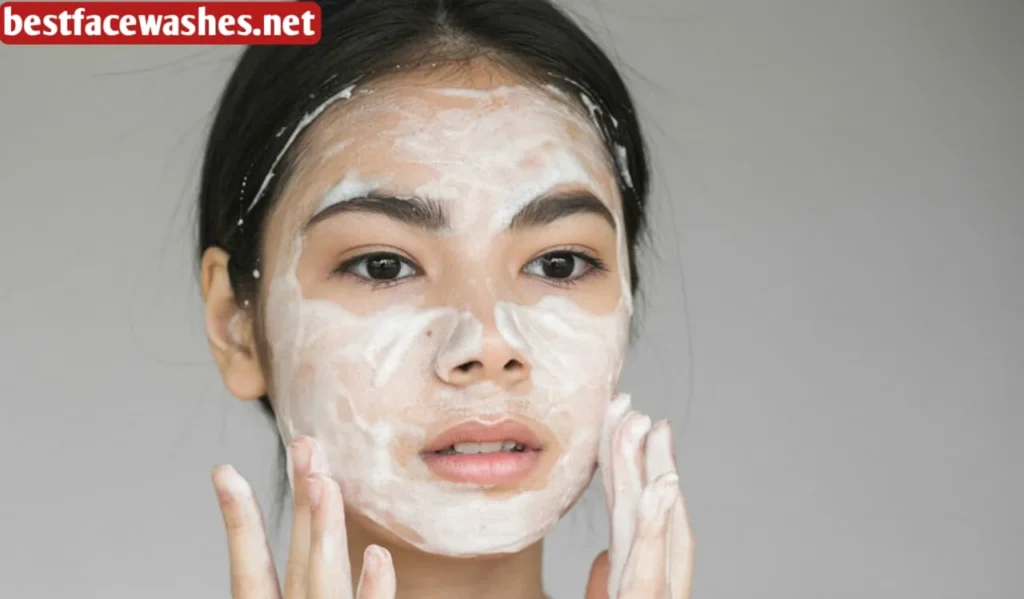
A routine of systematic layering in the morning and evening will keep the skin structure safe and gain the most. Layering is one of the most effective methods to maintain hydration, repair, and protection and ensure that your skin is always balanced, comfortable, and strong.
FAQs
Conclusion
When used correctly, the layering of the skincare following the face wash will make every product effective and not irritable or wasteful. A good beginning of healthy skin is hydration, proper application of treatments and sealing with a moisturizer. It is more important to order, schedule and use soft techniques than the quantity of products applied.
The routine of structured layers in the morning and in the evening helps to safeguard the skin barrier and achieve maximum benefits. Layering regularly and being conscious aids in staying hydrated, repairing and protecting your skin to ensure that over time it is in balance with itself, comfortable and resilient.