6 Best Sunscreens for Acne-Prone Skin Guide
Discover 6 best sunscreens for acne-prone skin that protect without clogging pores, prevent breakouts and provide lightweight, comfortable wear.
Do all your sunscreens have the effect of breaking you out or all your pores or just causing you to feel irritated? The skin that is prone to acne is extremely sensitive and sun protection does not seem like a safe thing to do, but rather the opposite. Sticky, greasy recipes can only contribute to the congestion and rough ingredients can make skin more red and sensitive, making a daily skincare routine a frustratingly difficult task.
Luckily, there are nowadays sunscreens that are developed to treat the skin that is prone to acne with the added benefit of providing protection without losing the transparency. Here, we are going to discuss the 6 most effective sunscreens with acne-prone skin taking into consideration lightweight textures and non-comedogenic formulas, as well as skin-soothing ingredients. The proper SPF will be able to secure your skin and maintain a balanced and comfortable feeling about your skin and health, as well as a healthier general look.
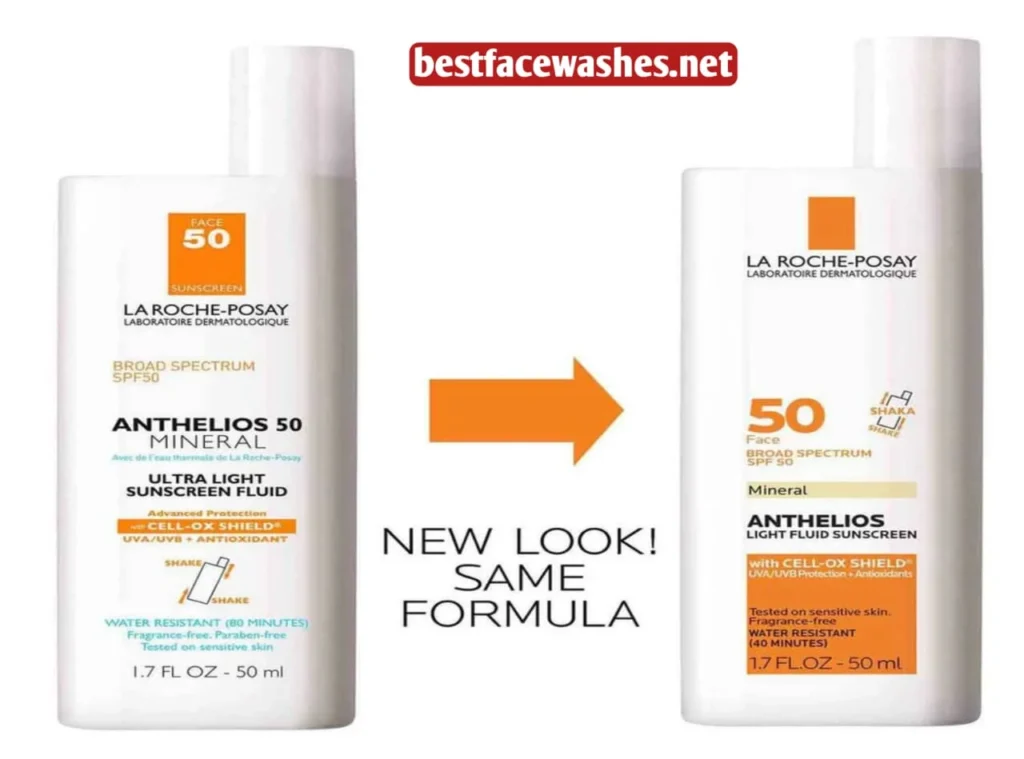
La Roche-Posay Anthelios Mineral Tinted Sunscreen SPF 50
The solution is La Roche-Posay Anthelios Mineral Tinted Sunscreen SPF 50; with a non-acne friendly protective factor, it also has the added advantage of light coverage. The mineral-based formula aids in protecting the skin with the absence of clogging pores and the tint is involved in the reduction of the color of redness and blemishes. It is light in texture and can be mixed with other finishes to bring out a natural finish that can be used on a daily basis.
This sunscreen is lightweight which makes it very convenient especially when it comes to acne prone skin that is worried about uneven coloring. It makes everyday life easier by offering both sun protection as well as slight correction. The formula does not leave a lot of residue and is quite comfortable during the day. This sunscreen is performance balanced, providing users with a mild level of protection against the sun by way of defense and cosmetic advantages.
Pros & Cons
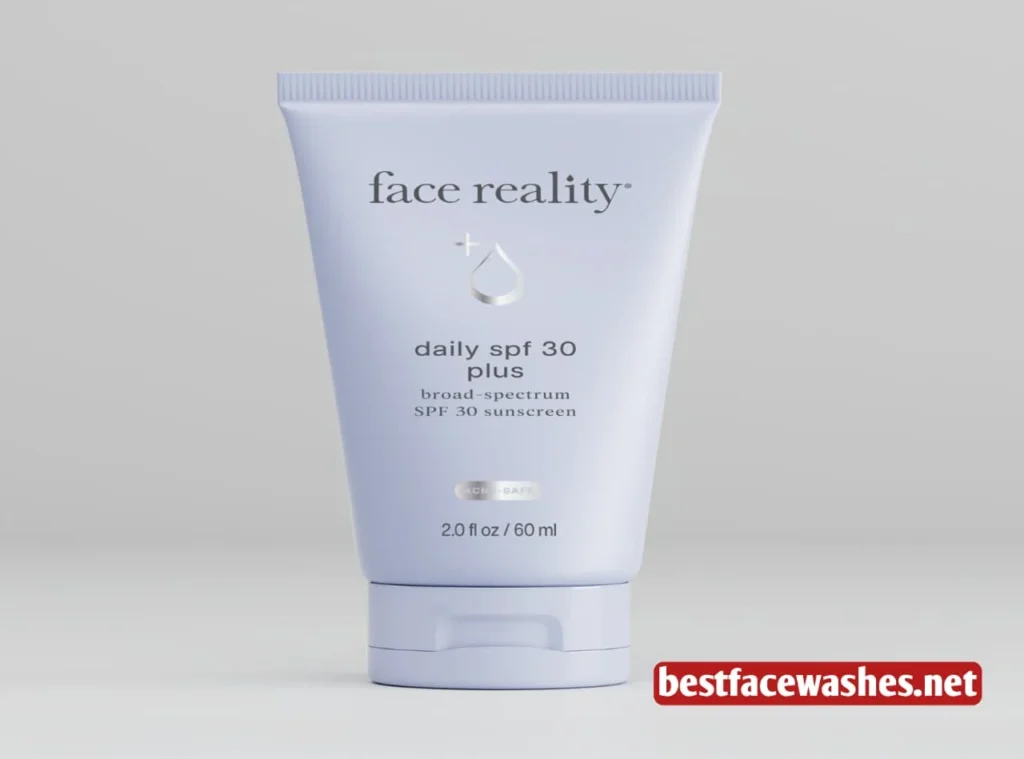
Face Reality Daily Sunscreen SPF 30 Plus
The Face Reality Daily Sunscreen SPF 30 Plus is specifically tailored to the acne-prone skin. The formula has a wide spectrum protection but includes skin supportive ingredients such as niacinamide and hyaluronic acid. Its light texture dispenses well allowing one to stay hydrated without the addition of congestion, heaviness, and excess shine.
The acne-safe positioning is marked in clear text and this makes it attractive to users with breakouts. The sunscreen has concentrated on skin protection and calming and not flooding the skin. Everyday use enhances comfort of the barriers and minimizes the chances of irritation. This formula provides us with a solid everyday wear option since it has better acne-prone skin that needs a sun defense that is reliable and has a good balance of ingredients.
Pros & Cons
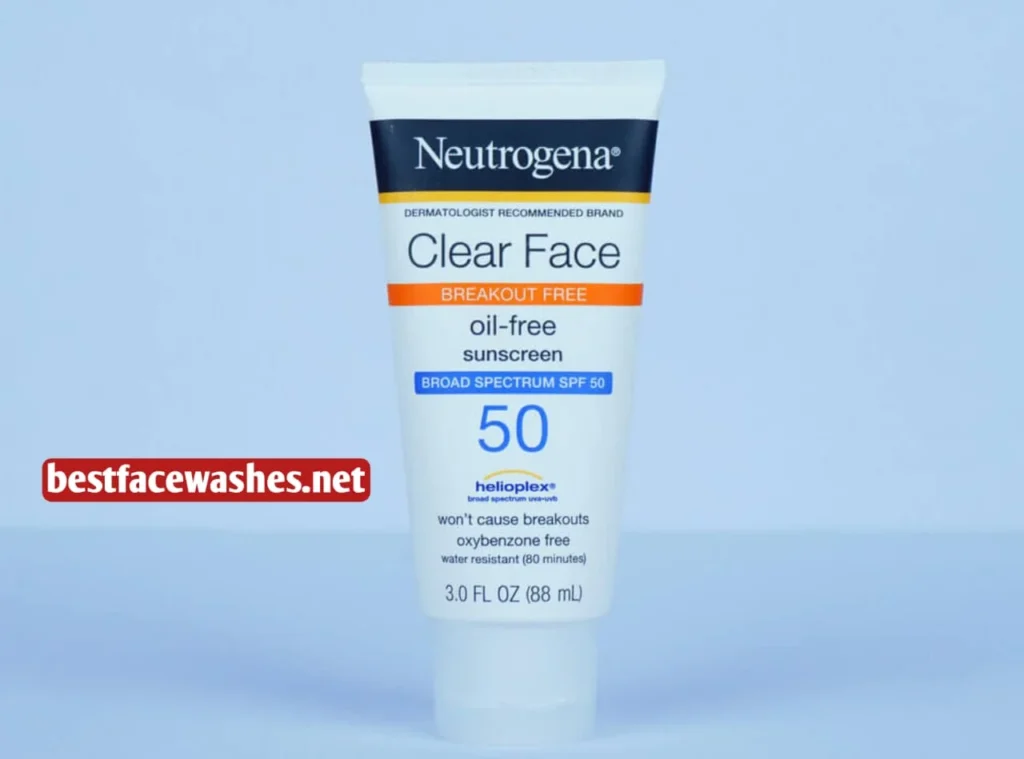
Neutrogena Clear Face Sunscreen SPF 50
The Neutrogena Clear Face Sunscreen SPF 50 includes affordably priced protection in a product that is designed to suit all the oily and acne-affected skin. The matte finish formed by the oil-free formulation is fast-absorbing, and it reduces the appearance of shine. Its light feeling is breathable and it does not give the impression of being greasy just like other heavier sunscreen products.
Waterproofing is a bonus property that increases the practicality especially in outdoor or active workouts. Although inexpensive, the sunscreen has a regular performance and comfort. The matte texture helps easier layering of the skin or make-up. This sunscreen is a good choice to use since it offers protection to acne-prone skin without being heavy or excessively expensive.
Pros & Cons
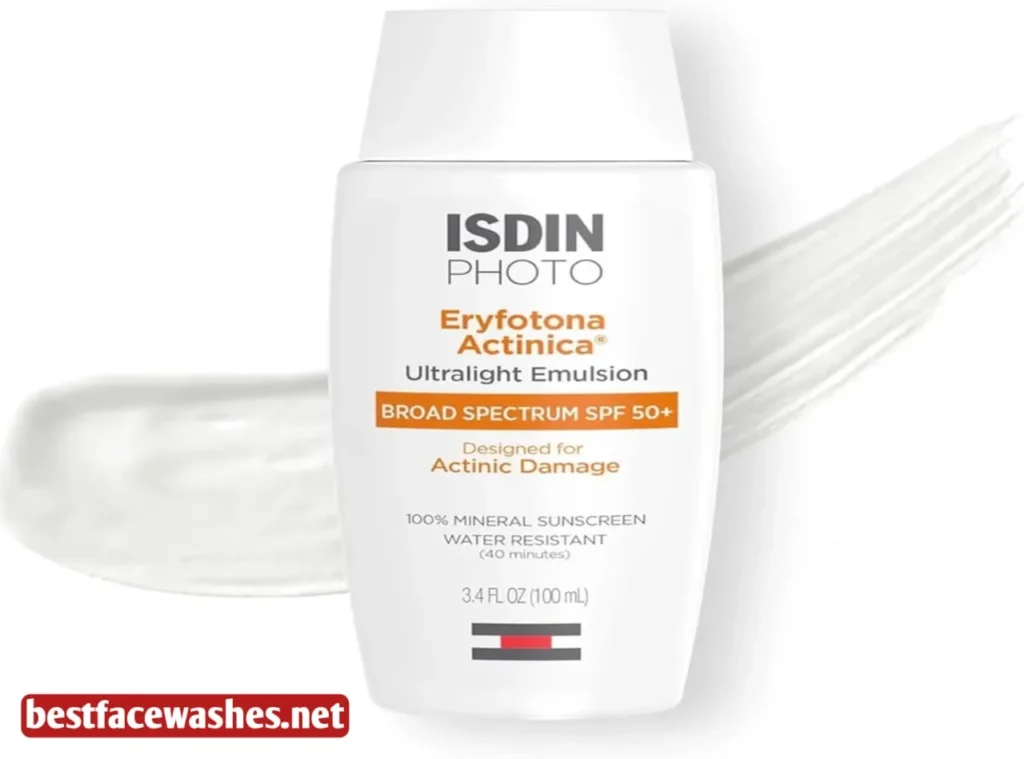
Isdin Eryfotona Actinica Mineral Sunscreen SPF 50+
The product called Isdin Eryfotona Actinica Mineral Sunscreen SPF 50+ provides an oil-free lightweight, high protection, emulsion. The formula is dry matte and contributes to reducing the shininess. The wearability of the oil-absorbing ingredients makes the acne-prone skin comfortable. The texture is breathable and smooth although strongly protected and can be used throughout the day.
The gel-like nature allows easy mixing and overlapping with skincare products. The sensation of hydration is not heavy or sticky. Frequent use also keeps the skin clear and does not grease it. To apply the sunscreen upon acne-prone skin that requires reliable mineral protection and a lightweight feel, the sunscreen can be considered a consistent source of comfort and shine-friendly performance.
Pros & Cons
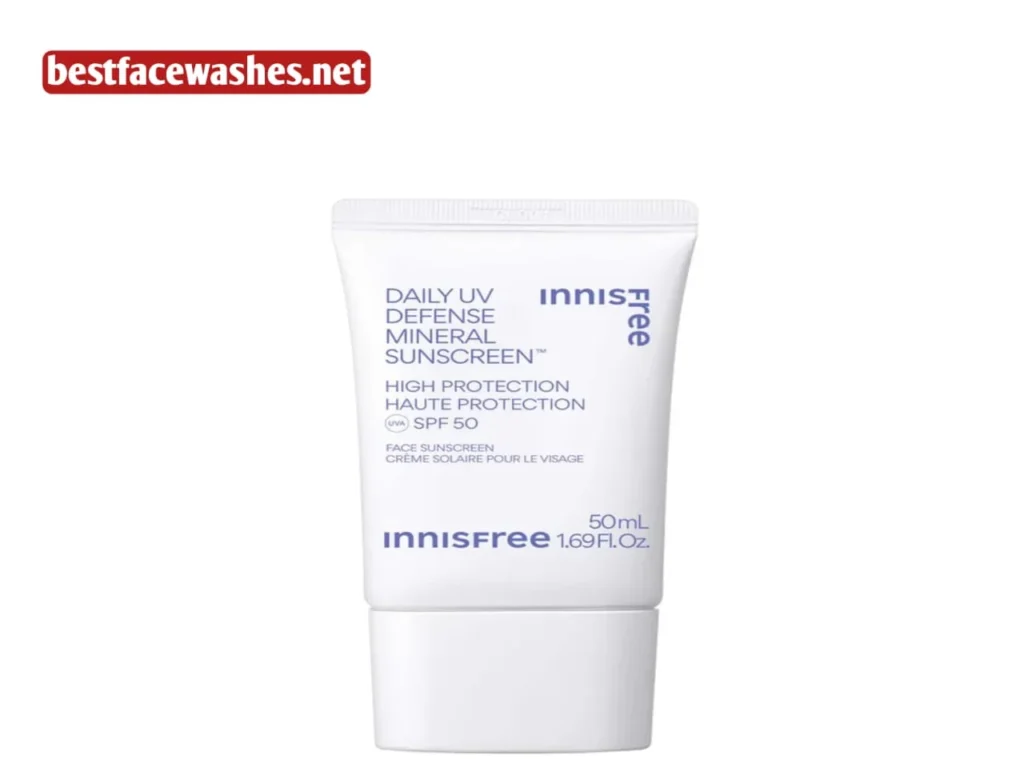
Innisfree Daily UV Defense Mineral Sunscreen SPF 45
Innisfree Daily UV Defense Mineral Sunscreen SPF 45 has light defense coverage that is designed to apply on acneic and sensitive skin types. The green color is subdued, which contributes to a more neutral complexion, as opposed to redness. Its texture is very smooth and does not accumulate. Breathable consistency improves the comfortability and it can be worn on a daily basis.
Although the sunscreen has a soft touch, it offers good mineral protection. The absorption is not greasy or sticky. Frequent use helps keep the skin in balance and helps in clarity of vision. With a practical nature in its performance and daily comfort in its effects, this formula suits the acne-prone skin in need of comfortable sun protection with a slight tonal effect.
Pros & Cons
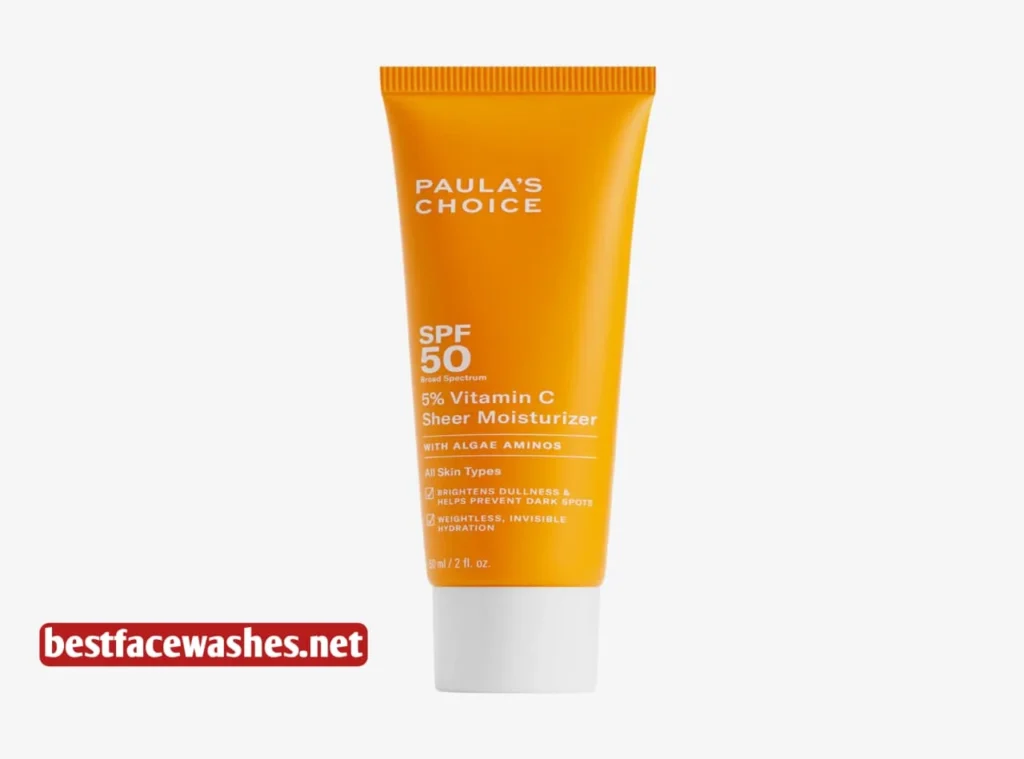
Paula’s Choice Extra Care Nongreasy Sunscreen SPF 50
Paula choice extra care non greasy sunscreen SPF 50 is a hybrid sunscreen with light breathable feel. The nongreasy formulation is absorbed and does not leave any thick residue. Relaxing ingredients are used to ensure skin comfort. It has a medium texture that does not add to the congestion of the acne-prone skin. The finish is smooth and it enhances daily wearability and layering.
The sunscreen is lightweight and comfortable in spite of its protective strength. The absorption never gets heavy. Frequent usage promotes normal hydration and vision. As an acneic skin that needs a sunscreen with a dependable hybrid defense and a non-greasy shine finish, this sunscreen will give a good sun protection at a non-greasy performance.
Pros & Cons
Why Acne-Prone Skin Needs Special Sunscreen Formulas
Combined, heavy, pore-blocking sunscreen formulas often have an adverse reaction on acne prone skin. Dense textures can cause congestion, which is likely to cause breakouts. Developed sunscreens are used to offer protection without interfering with the balance of the skin. The type of lightweight, non-comedogenic formulations are applied to protect against UV damage with minimal irritation, oil buildup and other undesired skin reactions.
Exposing the skin to the sun will increase the challenges of acne, such as redness, pigmentation as a result of acne, and inflammation. The absence of the use of sunscreen exposes the skin to chronic damages. Correct use of SPF assists to maintain stability in the skin, which in turn helps to avoid additional stress. It is possible to select formulas that are acne-specific to ensure regular protection, but remain comfortable, clear and healthier in general on the skin in the course of day to day activities.
Explore The Best Face Washes According to Your Skin
How to Choose the Right Sunscreen for Acne-Prone Skin
When choosing the sunscreen to use on acne-prone skin, it should be noted that the texture, finish, and formulation of the sunscreen are important. Fluids, lotions or gels of lighter weight tend to be more comfortable. Thick creams can make the congestion worse. Oil-free, non-comedogenic and other such labels will usually show the safer alternatives. The perfect sunscreen absorbs fast making the skin breathable, smooth and comfortable without overloading it with greasiness.
Finish is also a major factor in wearability. Natural or matte finishes are used to reduce the amount of shine. Suitability is affected by environmental factors and habits. Inskin response is also necessary to observe. The trends offer less understanding than comfort, breakouts, and absorption performance and assist in refining options to ensure the provision of consistent sun protection without causing irritation or acne flare-ups.
Explore The Best Ingredient-Based Face Washes
Key Ingredients That Help Prevent Breakouts
Some ingredients enhance acne-prone skin to sunscreens. Niacinamide will regulate the production of oil and calm down irritation. Dimethicone and silica help in shine control. Hyaluronic acid keeps the skin and skin hydrated but not heavy. These elements are useful in supporting protection and reducing the risks of congestion. Sensitive, breakout-prone skin types can be treated by using balanced formulations which can offer more predictable results.
The avoidance of problematic ingredients is also suitable in achieving clarity. High contents of oils and heavy emollients can exacerbate the breakouts. As breathable formulations, lightweight ones usually fare better. The regular application of well-developed sunscreens assists with the smoothness of the texture and stability. With time, skin becomes more relaxed, less sensitive and preserved against the conditions of the environment and UV injury.
Common Sunscreen Mistakes That Trigger Acne
The first misconception is making the wrong decisions about the use of sunscreen formulas that are too rich and are not appropriate to use on acne-prone skin. Congestion and clogging of pores might be caused by heavy textures. The second concern is that there is an incompatible application that affects protection and skin homeostasis. The lack of sunscreen because of the fear of breakouts in most cases exacerbates the long-term skin issues, which include inflammation and pigmentation.
This is also dependent on application habits. Excessive use of product can saturate the skin and lead to a build up. Not letting the skin absorb it properly prior to applying the makeup may cause pilling or irritation. Making minor changes such as using lightweight formulas and right volumes usually enhance comfort, minimize breakouts, and continue to ensure smooth behavior of the skin during daily routines.
FAQs
Conclusion
Sunscreen must be carefully chosen to protect the acne-prone skin instead of being avoided. Comfort and risk of breakout are based on texture, formulation, and ingredients. Non-comedogenic sunscreens that are lightweight in nature assist in keeping the skin clear and also offer needed protection against UV. Daily SPF is effective rather than problematic with the appropriate products.
Finally, long-term outcomes are achieved due to consistency and compatibility. Selection of acne-friendly formulas among other things can maintain balance, minimize irritation and damage. Adequate sun protection does not only protect skin but it also helps to maintain healthier texture and stability in time.